Scottish Highlands winter wildlife
Discover wildlife in the Highlands from the Kingsmills Hotel
The Scottish Highlands is one of the most extraordinary natural landscapes in Europe, and the Kingsmills Hotel in Inverness puts you right at the heart of it. What’s more, in winter, they transform into something truly special. Snow-dusted glens, frosted moorland, and silent forests create the perfect backdrop for encountering wildlife in the Highlands.
Whether you’re a dedicated wildlife watcher or curious about what lives beyond the tree line, the wildlife in the Highlands will stop you in your tracks.
The Kingsmills Hotel also sits just minutes from some of the most rewarding Highland wildlife spots in Scotland. From red deer moving through the glens to rare birds clinging to high mountain ridges, here’s what to look for and where to find it.
Red deer in the Scottish Highlands
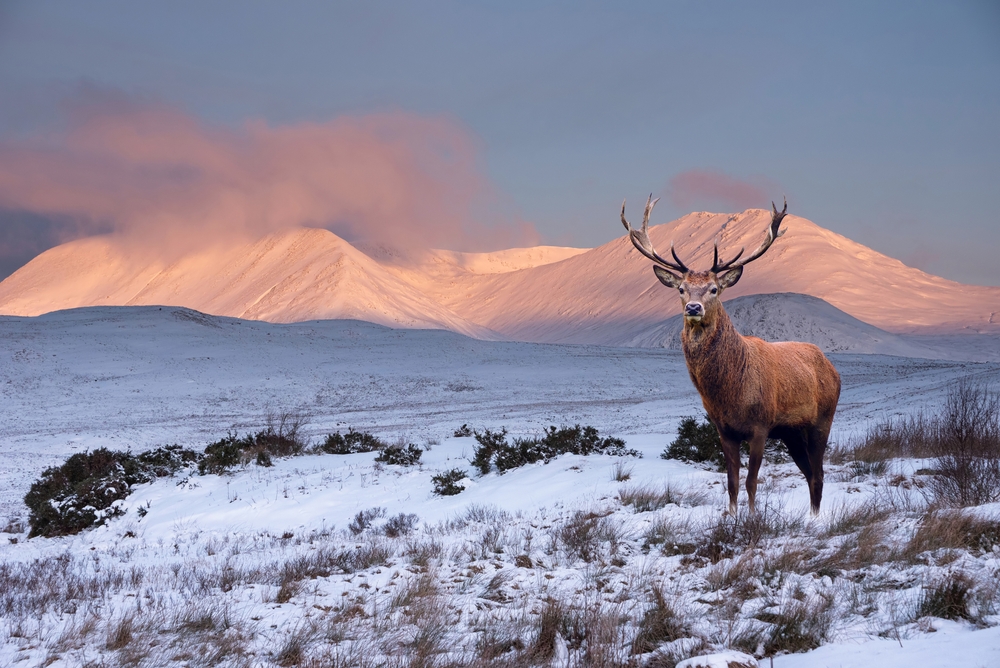
One of the most iconic and awe-inspiring creatures of the Scottish Highlands is the red deer. Winter brings a mystique to these animals as they roam the snow-covered hillsides. You’re most likely to spot a Red Deer in the woods during winter. And the best times are early morning or evening when it’s quiet.
You can also go deer spotting in local locations from the Kingsmills Hotel. Cairngorms National Park is just over a 20-minute drive from the Kingsmills Hotel, for example. From here, you can explore the great Scottish outdoors and hopefully spot some red deer in the wild.
Highland birds: the elusive ptarmigan
The Scottish Highlands in winter are remarkable for Highland bird sightings, and the Kingsmills Hotel is a wonderful base for birdwatchers. Highland birds are some of the most visually striking in Scotland. And none more so than the ptarmigan, a bird that effectively disappears into the snow.
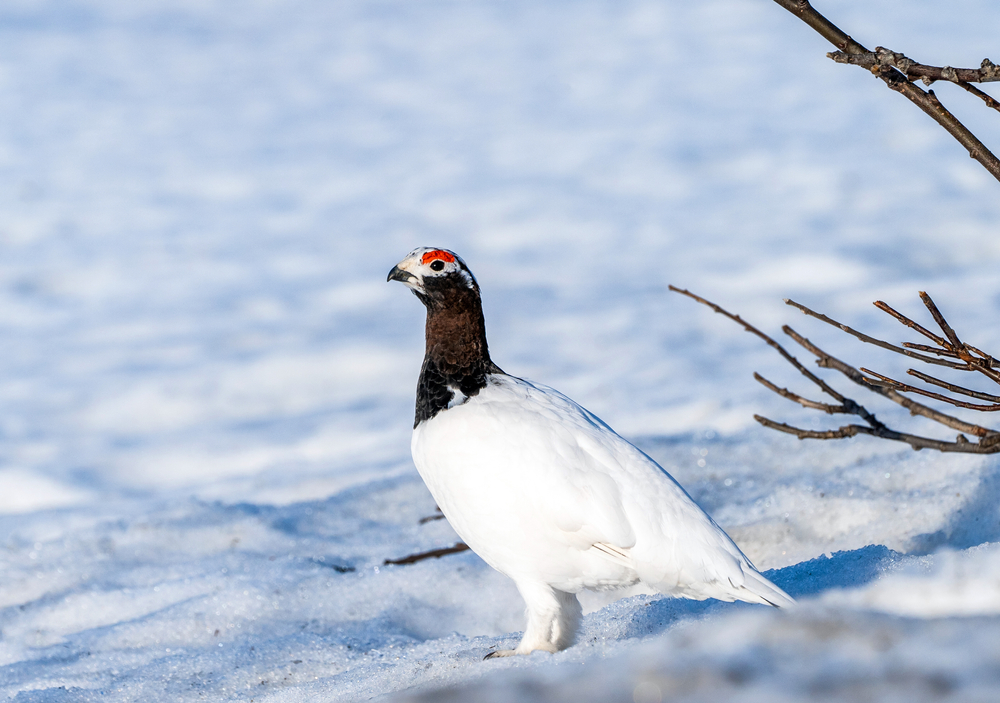
During summer, the ptarmigan wears a patchwork of grey, brown, and black across its upper body. Come winter, it moults almost entirely to white, retaining only a black tail and eye-patch. This remarkable camouflage makes it one of the most challenging Highland bird sightings to achieve. It’s also all the more rewarding when you do.
Ptarmigan are found almost exclusively in the Scottish Highlands, thriving in the Arctic-like conditions of the high tops. The Cairngorms plateau is the best place to spot one. However, patience and the right conditions are essential.
Beyond the ptarmigan, the Highlands offer outstanding birds of Scotland Highland experiences throughout winter. Red kites, ospreys, crossbills, and crested tits are all present in the region. Also, the RSPB Loch Garten reserve is well worth a visit for birdwatchers looking for more Highland bird sightings.
Mountain hare: a Highland winter specialist
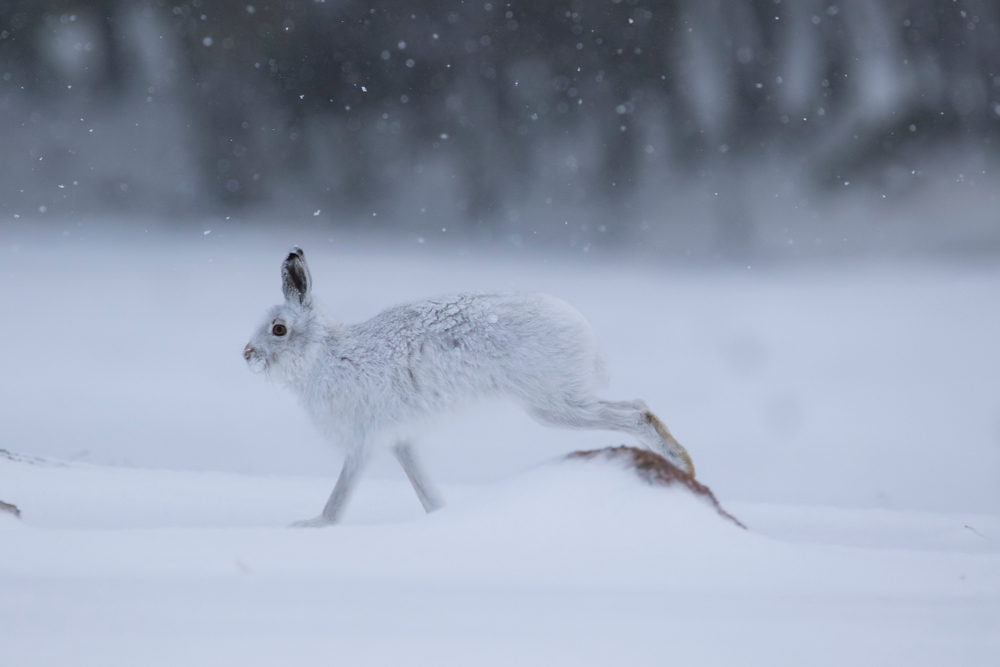
Few animals in the Highlands are as perfectly adapted to winter as the mountain hare. Like the ptarmigan, it changes colour entirely with the season. Its summer coat of grey and brown matches the heather moorland, while its winter coat turns a brilliant white to blend with snow.
Watching one bound across an open hillside in its zigzag pattern is one of the great highlights of a winter wildlife trip to the Highlands.
Mountain hares are most commonly found on open moorland above 300 metres. Cairngorms National Park is again the best starting point for a sighting. They’re most active at dawn and dusk, so an early start from the Kingsmills Hotel gives you the best chance.
Highland red squirrel: a woodland gem
The Highland red squirrel is one of Scotland’s most beloved creatures, and the woodlands around Inverness offer some of the best chances of a sighting anywhere in the UK. While grey squirrels have displaced red squirrels across most of England, the Scottish Highlands remains a stronghold for this native species.
Even in the colder months, red squirrels remain active and visible, their striking auburn fur standing out beautifully against the pale winter woodland.
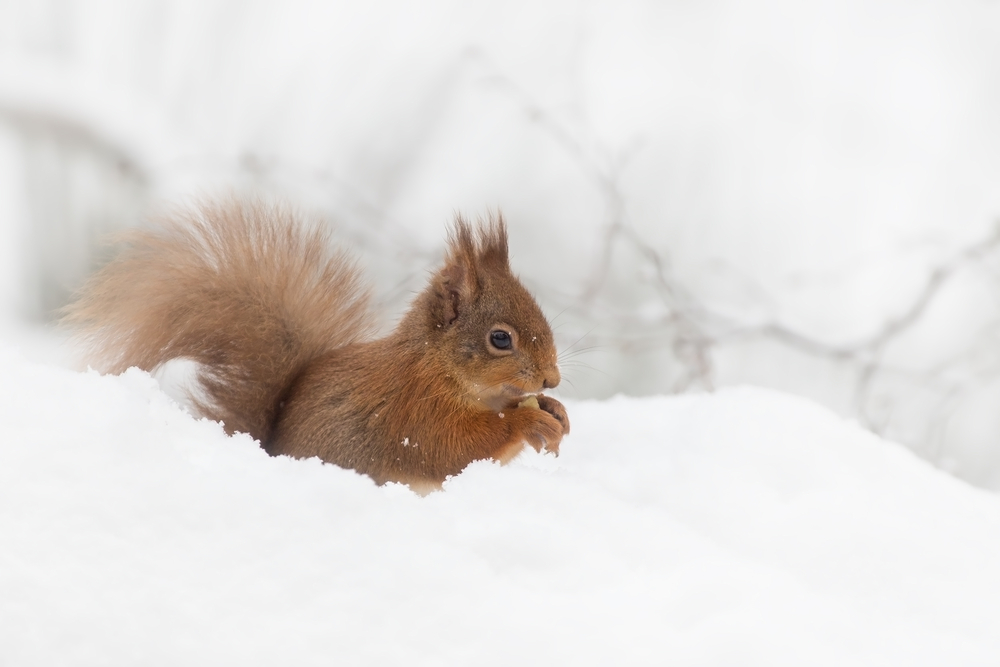
The woodlands around Inverness and the forest edges within the Cairngorms National Park are excellent spots to look. Red squirrels are most active in the morning, moving through the canopy and foraging at ground level. However, they are quick and quiet, so a little patience goes a long way. But as animals in the Scottish Highlands go, the red squirrel is one of the most rewarding and accessible to find.
And best of all, you won’t have to venture too far from your base at the Kingsmills Hotel.
Explore wildlife in the Highlands from the Kingsmills Hotel
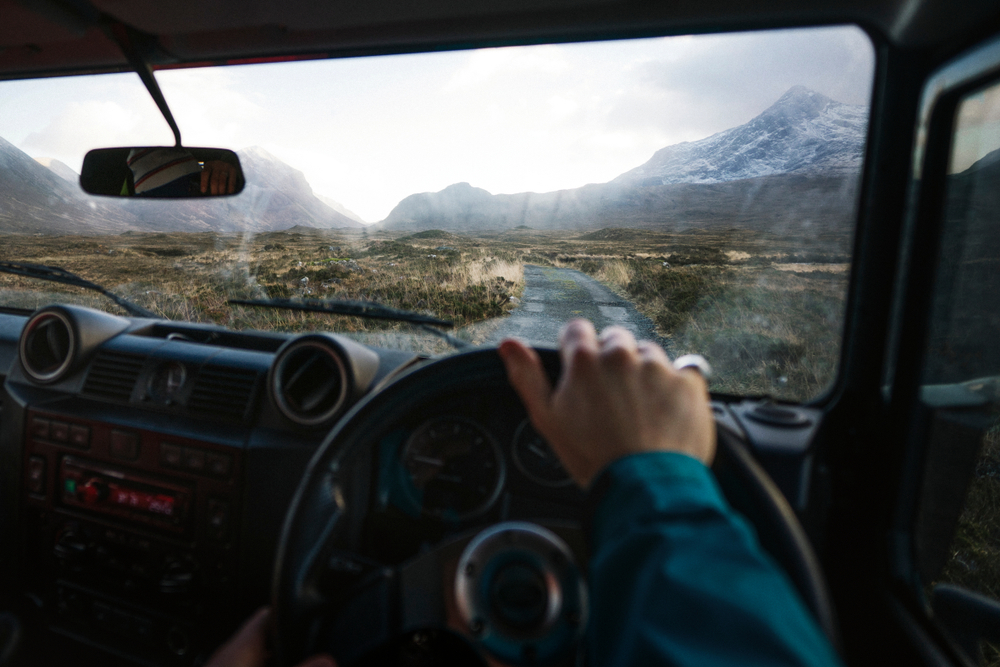
One of the main advantages of staying at the Kingsmills Hotel is how accessible the Highlands are in winter. Roads are well maintained, the Cairngorms National Park is a short drive away, and the hotel team is always on hand to help you plan a wildlife excursion that suits your interests and fitness level. After a day out in the cold, returning to the warmth of the Kingsmills Hotel makes the whole experience even more enjoyable.
Contact our team to find out more, or book your stay and start planning your Highland wildlife adventure today.
 Car Charging